Introduction
In our busy globe, emergencies can strike without warning. Whether it's a small injury, a medical emergency situation, or a lethal circumstance, understanding just how to provide first aid can make all the difference. This is where a First Help course enters into play. Many individuals may question what they can acquire from such training, and this write-up intends to shed light on that.
Mackay CPR Course Near MeBy register in a First Aid and CPR course, you don't just learn about bandaging wounds or executing CPR; you equip yourself with important skills that might save lives. So, exactly what will you learn in an extensive course? Let's dive into the details.
First Help Fundamentals: What You'll Discover in a Detailed Course
Understanding Very first Aid
What is First Aid?
First aid describes the initial help given to someone suffering from an injury or disease till expert medical assistance arrives. It includes different methods and abilities varying from simple injury care to lifesaving techniques like mouth-to-mouth resuscitation (Cardiopulmonary Resuscitation).
Importance of Emergency treatment Training
Why Must You Take a First Aid Course?
Taking a First Aid course is essential for a number of factors:
- Confidence: Knowing exactly how to react in emergency situations can instill confidence. Life-Saving Abilities: The capability to execute mouth-to-mouth resuscitation or aid with choking can conserve lives. Career Improvement: Lots of professions call for accreditation in first aid. Community Obligation: Being trained means you can assist others effectively.
Overview of CPR
What is CPR?
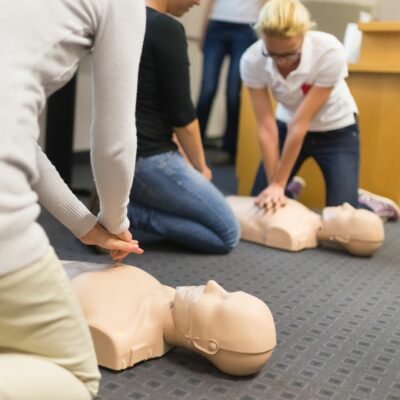
CPR, or Cardiopulmonary Resuscitation, is an emergency situation procedure executed when somebody's heartbeat or breathing has quit. It integrates chest compressions with rescue breaths to preserve blood flow and oxygenation till professional assistance arrives.
The Structure of a Comprehensive First Aid Course
What Does a First Aid Course Include?
A well-rounded First Aid and CPR course normally covers the following subjects:
Introduction to First Aid Legal and Ethical Considerations Scene Safety Basic Life Assistance (BLS) CPR Techniques Choking Relief Wound Care Management Burn Treatment Managing Shock Recognizing Clinical Emergencies Using an Automated External Defibrillator (AED)Legal Aspects of First Aid
Are There Legal Ramifications Involved in Giving First Aid?
Yes, supplying emergency treatment does bring legal duties known as "Good Samaritan legislations." These laws shield people that aid others in emergencies, offered their actions are reasonable and not reckless.
Scene Security: The Initial Step
How Do You Make sure Scene Safety?
Ensuring scene safety entails assessing the atmosphere before approaching the victim:
- Look for possible hazards (web traffic, fire). Make certain it's safe for both you and the victim.
Basic Life Assistance (BLS)
What Function Does BLS Play in Emergency Situation Situations?
Basic Life Assistance includes the fundamentals of maintaining life features up until further clinical assistance arrives. This section covers crucial abilities such as:
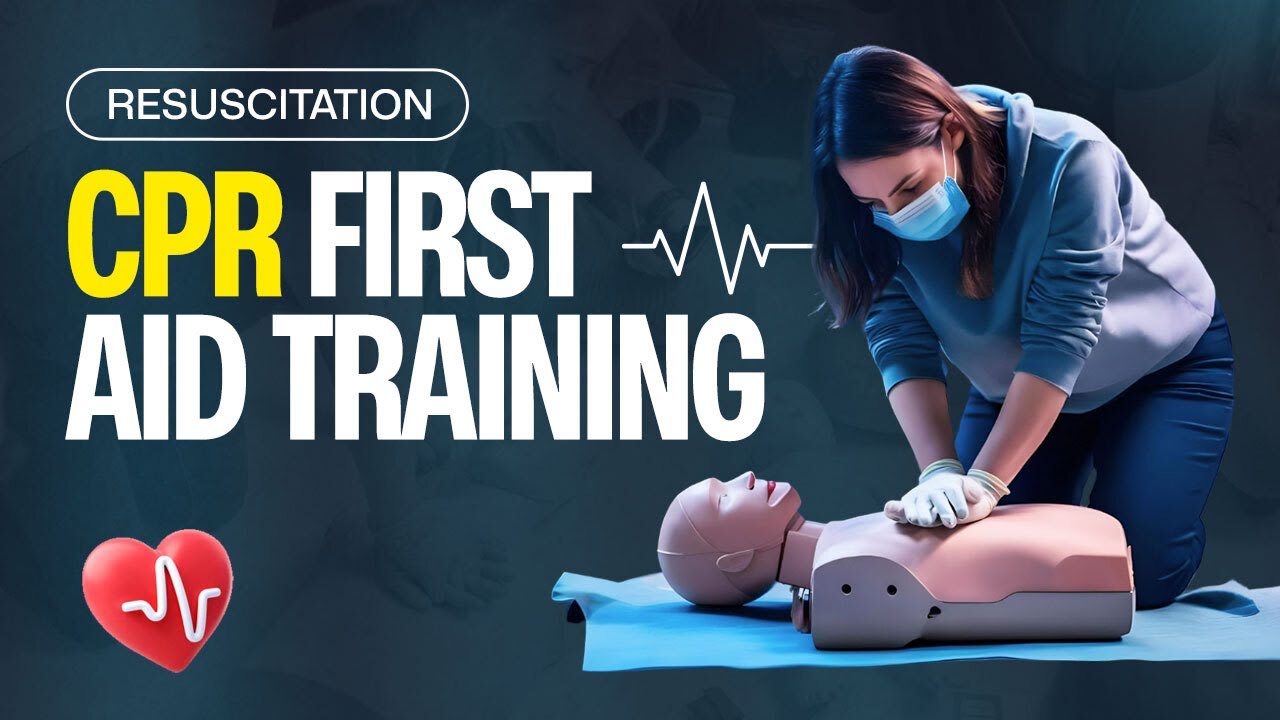
- Checking responsiveness Activating emergency situation services Performing top quality upper body compressions
Advanced CPR Techniques
What Are Advanced Techniques Covered in CPR Courses?
Advanced methods may consist of:
- Two-rescuer CPR Use of barrier gadgets for rescue breaths Special factors to consider for babies and youngsters
Choking Alleviation Techniques
How Do You Aid A Person Who is Choking?
Choking relief involves 2 crucial methods:
The Heimlich maneuver for adults. Back blows and breast thrusts for infants.Wound Treatment Management
How Do You Properly Take Care Of Wounds?
Effective injury monitoring involves:
- Cleaning the wound with saline or tidy water. Applying antibiotic ointment. Covering it with sterile dressings.
Burn Treatment
What Work Techniques for Dealing With Burns?
Burn treatment varies by degree:
Cool the burn under running water. Cover it with non-stick dressings. Seek clinical focus for severe cases.Managing Shock
How Is Shock Acknowledged and Treated?
Recognizing shock includes searching for signs and symptoms like light skin, fast pulse, or complication:
Lay the person down. Elevate their legs unless there are injuries stopping this. Keep them calm till aid arrives.Recognizing Clinical Emergencies
What Types of Medical Emergencies Need To You Realize Of?
Common medical emergency situations include:
- Heart assaults Stroke Severe allergies Understanding these problems assists you act quickly.
Using an Automated External Defibrillator (AED)
How Do You Make use of an AED Correctly?
Using an AED involves transforming it on, connecting pads according to pictures on the device, and complying with voice motivates carefully.
Importance of Continual Learning
Why Is Continual Learning Important in Emergency Treatment Training?
Continuous understanding guarantees you remain upgraded on finest methods and brand-new protocols in emergency treatment care.

FAQs Concerning Emergency treatment Courses
What Is Included in a Standard Emergency Treatment Course?- A conventional course normally covers fundamental life support, wound monitoring, choking relief strategies, and legal considerations.
- Most courses range from 6 hours to 16 hours depending upon the deepness of web content covered.
- Yes, upon effective conclusion of many training courses, individuals obtain a first help certificate, which is typically valid for two years.
- Yes! Several organizations offer on the internet training courses that give versatile discovering environments while still being effective.
- Absolutely! Hands-on method is important for grasping abilities like chest compressions and making use of AEDs effectively.
- Generally, there are no age restrictions; nevertheless, individuals have to be psychologically proficient to discover these life-saving abilities effectively.
Conclusion
Enrolling in a detailed emergency treatment course furnishes individuals with necessary knowledge that can save lives throughout emergencies-- whether at home, job, or out in public rooms! From recognizing standard life assistance treatments like mouth-to-mouth resuscitation to finding out just how to handle wounds appropriately or acknowledge indicators of shock-- these training courses give important training that anyone can profit from!
As we browse through our daily lives loaded with unpredictability-- what better means than preparing ourselves with knowledge acquired from structured training sessions focused on saving lives?
In verdict-- if you're considering taking up any form of first-aid training-- never hesitate! Equip on your own today with these effective tools since readiness absolutely makes all the distinction when every second counts!